73° and Clear
Image

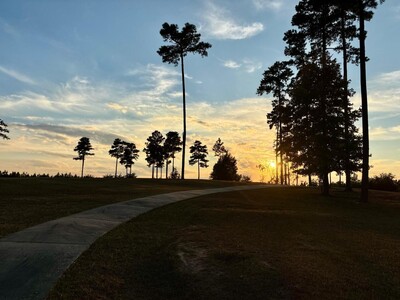
This week in Middle Georgia should be full of warm weather, with rain arriving by the weekend (Photographer Nate Weeks)



Expect high temperatures reaching into the 70s and 80s this week, with low temperatures staying comfortably above 50, if the National Weather Service's forecast is accurate. Rain is forecast to arrive on Thursday and stick around through the weekend. Skywatchers have something to look forward to on Tuesday, with a "Blood Worm Moon" rising and an early morning eclipse starting around 6 a.m. The following is the day-by-day weather forecast for this week in the heart of Georgia.
DAY-BY-DAY WEATHER FORECAST
MONDAY, March 2nd
Mostly sunny with a high temperature near 70. Light northwest wind 5 to 10 mph in the morning, with gusts as high as 15 mph possible.
Monday Night
Mostly cloudy skies with a low temperature around 53. East wind around 5 mph.
TUESDAY, March 3rd
Partly sunny skies with a high temperature near 74. East wind around 5 mph.
Tuesday Night
Partly cloudy skies, with a low temperature around 52.
WEDNESDAY, March 4th
Partly sunny skies with a high temperature near 79.
Wednesday Night
Mostly cloudy skies with a low temperature around 59.
THURSDAY, March 5th
40% chance of showers. Partly sunny skies, with a high temperature near 81.
Thursday Night
Partly cloudy skies with a low temperature around 61.
FRIDAY, March 6th
30% chance of showers and thunderstorms. Partly sunny skies with a high temperature near 84.
Friday Night
20% chance of showers and thunderstorms. Partly cloudy skies, with a low temperature of around 62.
SATURDAY, March 7th
50% chance of showers. Partly sunny skies with a high temperature near 84.
Saturday Night
50% chance of showers early. Cloudy skies with a low temperature around 63.
SUNDAY, March 8th
Partly cloudy skies and a high temperature of around 82.
Sunday Night
50% chance of showers. Cloudy skies with a low temperature of around 62.
ASTRONOMY IN MIDDLE GEORGIA
March starts with a skywatcher's delight on Tuesday, March 3rd, when a full "Blood Worm Moon" total lunar eclipse occurs. The eclipse begins at 6:04 a.m. and totality (the time when the eclipse is full) occurs around dawn/6:33 a.m. It is called a Blood Worm Moon because Indigenous and Colonial Americans, as well as some Europeans, discovered that the rising of this moon correlated with "a landscape beginning to awaken, with earthworms, beetle larvae, and other critters emerging from their winter hiding places," and provided food for the birds arriving back from their winter vacations. This celestial event is caused when Earth moves between the sun and the moon, which causes the moon to look as if covered in a dull reddish hue. This will be the first major astronomical event visible to Middle Georgians this year and will also be the last time to see a lunar eclipse until 2029.



Sunny, with a high of 87 and low of 62 degrees. Sunny in the morning, clear for the afternoon and evening,