51° and Clear
Image
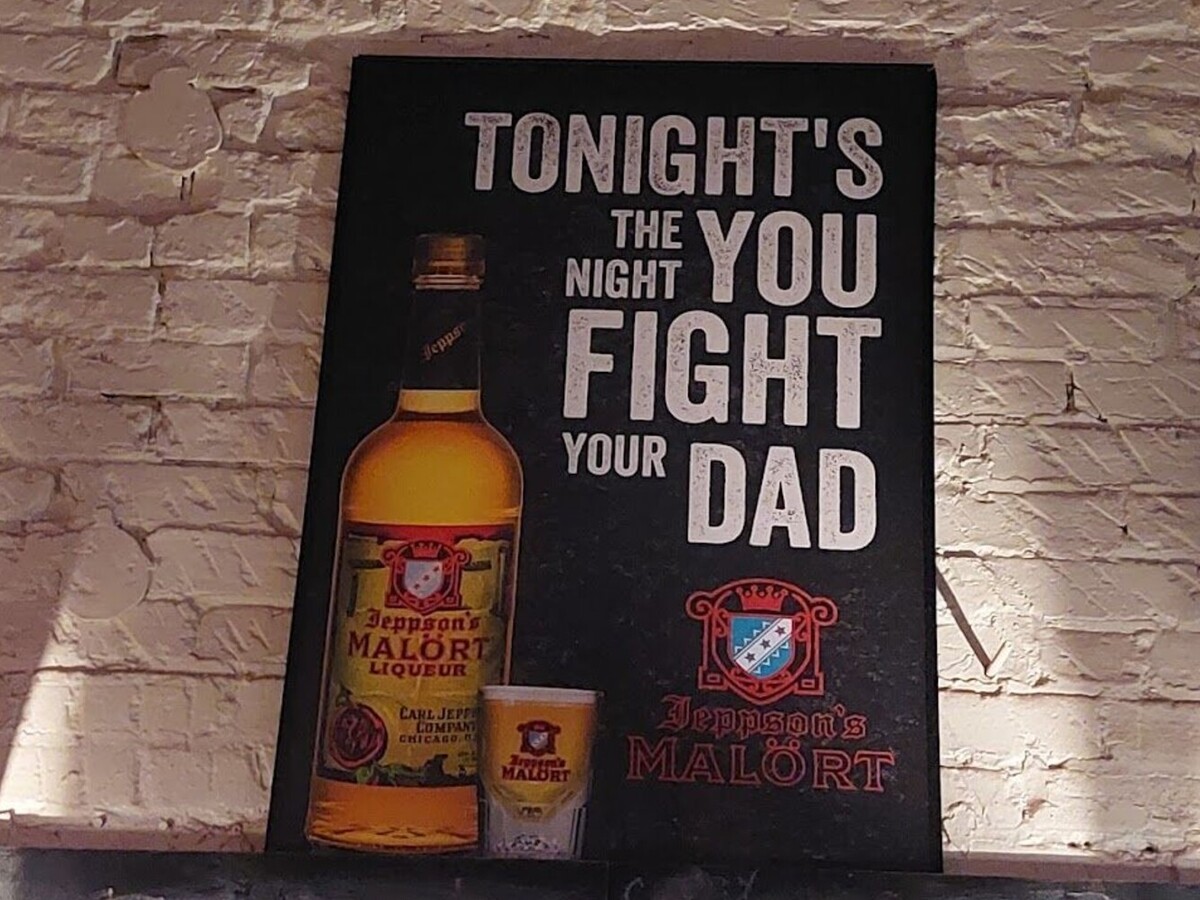
Fighting your dad because of drinking is probably a good sign you have a drinking problem (Photographer Nate Weeks)



By: Lauren Edwards, Community Outreach Coordinator at Virginia Recovery Centers
Every April, Alcohol Awareness Month offers an opportunity to step back and take an honest look at one’s relationship with alcohol. From a clinical perspective, many individuals who eventually seek support for their drinking did not initially believe they had a problem. Instead, they often spend years in a gray area; they function fine, work, and maintain relationships all while the early warning signs quietly take root.
As Community Outreach Coordinator at Virginia Recovery Centers (an alcohol and drug rehab in Virginia), I’ve seen how problem drinking rarely begins with a dramatic turning point. It builds gradually, often in ways that are easy to justify or overlook. Recognizing these early patterns can make a profound difference, sometimes even preventing the progression to Alcohol Use Disorder.
What Counts as “Problem Drinking”?
There’s a wide spectrum between casual drinking and addiction. You don’t need a diagnosis for alcohol to start negatively impacting your life. I often encourage clients to look less at labels and more at patterns: Is alcohol becoming a go-to coping tool? Is it affecting your mood, sleep, or relationships? Those questions matter more than any single definition.
Why Early Signs Get Missed
One of the biggest challenges is cultural normalization. Think about it… alcohol is deeply embedded in social life, celebrations and even stress relief and self-care routines. So it’s easy to compare yourself to extreme stereotypes and think, “I’m not that bad.” Many of my clients held onto jobs, cared for families, and met responsibilities, which made it easier to dismiss what was happening beneath the surface.
Denial doesn’t always look like outright refusal. Often, it’s subtle: minimizing, rationalizing, or setting little rules that slowly bend over time.
10 Early Warning Signs Most People Overlook
Problem drinking often develops slowly, and its early signs can be easy to miss. Identifying these subtle warning signals early can help prevent more serious consequences later.
Drinking Becomes Your Primary Coping Strategy
After a stressful day, has alcohol become the first and most reliable way to unwind? Over time, this can crowd out healthier coping mechanisms and reinforce emotional avoidance. When alcohol becomes your default coping tool, it limits your ability to build resilience in other areas of life.
Your Tolerance Is Increasing
Have you started to notice that it takes more drinks to feel the same effect? This is one of the earliest physiological signs that your body is adapting to regular alcohol use. Increasing tolerance often gives a false sense of control, when it’s actually a sign your body is adjusting in risky ways.
You Think About Drinking More Than You Used To
It’s not just the act of drinking; it’s the anticipation. Has planning when, where, or what you’ll drink become a regular mental habit? Mental preoccupation is often one of the first psychological shifts toward dependency.
You Sometimes Drink More Than You Intended
You tell yourself you’ll have one or two drinks, but it regularly turns into more. This subtle loss of control is something many people brush off, but it’s worth paying attention to. Even the occasional loss of control can indicate that your relationship with alcohol is changing.
Your Social Life Starts to Revolve Around Alcohol
Are you beginning to prefer gatherings where drinking is central? Or, have you lost interest in activities that don’t involve alcohol? This shift can happen gradually. When alcohol starts shaping your environment, it becomes harder to separate social connection from substance use.
You Feel Irritable or Off When You’re Not Drinking
Even mild mood swings, restlessness, or irritability at the end of the day can signal early dependence patterns. These subtle withdrawal-like symptoms are often overlooked but clinically significant.
You Create “Rules” Around Your Drinking
Do you have special rules like “I only drink on weekends” or “I don’t drink before 6”? These rules can feel like control, but in many cases, I see them slowly erode over time.
The need to create rules is often a sign that part of you already recognizes a loss of control.
You Downplay or Hide How Much You Drink
You might pour a little extra, avoid mentioning that second (or third) drink, or feel defensive when someone asks. That discomfort is important data, as secrecy and defensiveness tend to grow as internal conflict about drinking increases.
You Experience Small but Repeated Consequences
Have you been having poor sleep, low energy, minor arguments, or missed commitments? While none seem severe on their own, patterns matter more than isolated events. The repeated “small” consequences can oftentimes predict larger ones later.
Alcohol Becomes a Reward or an “Off Switch”
Have you started to associate drinking with relief? Like you think to yourself, “I deserve this,” or “I need this to relax.” This reinforces a powerful habit loop that can be hard to break. When alcohol becomes tied to relief, the brain begins to rely on it rather than developing sustainable ways to decompress. g
When Do These Signs Become a Bigger Concern?
A single sign doesn’t necessarily indicate a serious problem. From a clinical perspective, the key factors to assess are frequency, intensity, and progression. Are these patterns becoming more consistent? Are multiple signs appearing at once? Are the consequences gradually increasing? These patterns often represent the early building blocks of Alcohol Use Disorder, even if things still appear “under control” from the outside.
It is important to recognize that hitting rock bottom is not a prerequisite for making a change. The earlier these patterns are identified, the easier it is to address them effectively. Many individuals wait until consequences become severe before seeking help, but awareness alone can be a powerful first step. Simply observing one’s habits (without judgment) can create the opportunity for meaningful change.
What to Do If You Recognize These Signs
If some of the above feels familiar, you don’t need to panic! However, it’s worth paying attention. Start with honest self-reflection and ask yourself the following questions: How often am I drinking, and why? How do I feel before and after? Have I tried to cut back, and what happened?
You might consider taking a short break from alcohol and observing how it affects your mood, sleep, and energy. For many people, this alone provides valuable clarity. It can also help to talk with someone you trust or seek guidance from a professional. Whether it’s a counselor, therapist, or support group, you don’t have to navigate this alone.
Awareness Is the First Step to Change!
Alcohol Awareness Month is not about labeling or judging; it is about increasing awareness and encouraging informed choices. The goal is understanding, not perfection. Early recognition of warning signs can be extremely powerful, as small insights that are addressed promptly can help prevent more serious struggles later on. Observing these signs should be seen as an invitation, not a verdict. Change is possible at any stage, and it often begins with simply paying attention.
Lauren Edwards is the Community Outreach Coordinator at Virginia Recovery Centers, a leading alcohol and drug rehab in Virginia. In her role, Lauren connects individuals and families with the center’s comprehensive addiction treatment programs, including outpatient care, medication-assisted treatment, and holistic therapies such as art and music therapy. She is dedicated to raising awareness about substance use disorders and providing compassionate support to those seeking lasting recovery, helping them navigate treatment options and access the resources they need to thrive. https://virginiarecoverycenters.com/



Sunny, with a high of 71 and low of 47 degrees. Sunny in the morning, clear in the afternoon and evening,