62° and Clear
Image

Children often end up becoming caregivers to their parents later in life (Photograph courtesy of Pixabay on pexels.com)



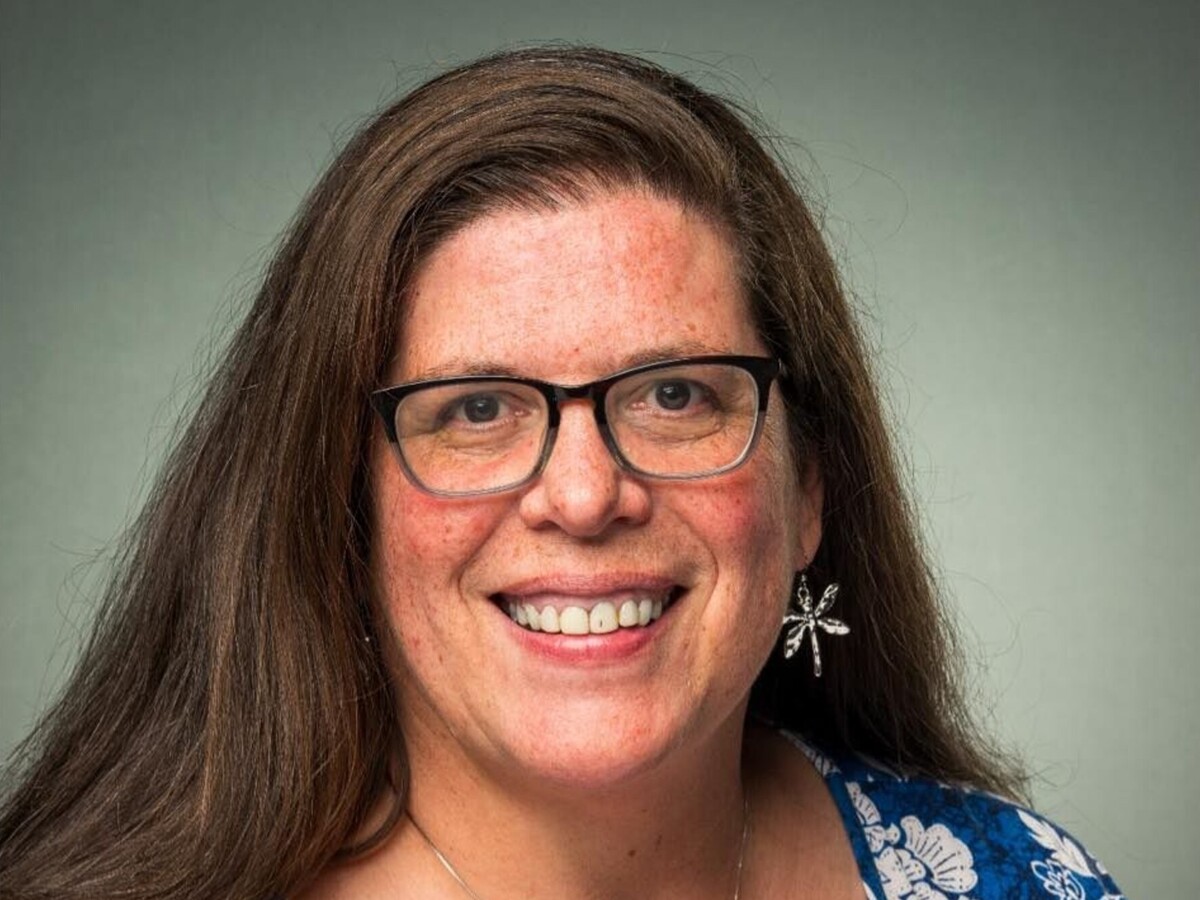
By Cathy Anderson, Clinical Chaplain, Kaiser Permanente of Georgia
When I talk with friends, neighbors and patients across Georgia, one theme always comes up.
Nearly everyone knows someone who cares for an aging parent, a spouse with a chronic condition or a child with special needs. Behind these stories is quiet devotion and a level of compassion that deserves to be recognized.
Across Georgia, more than 1.26 million people serve as unpaid caregivers for family members, providing an estimated 16.3 billion dollars in support annually, according to AARP. They are an invisible workforce sustaining families, communities and our healthcare system. But that generosity often comes with emotional, financial and physical strain. Many caregivers in Georgia spend more than a quarter of their income on expenses like medications, transportation or home modifications. Nearly 60 percent experience financial stress and many more face burnout or feelings of isolation.
As a clinical chaplain, I have seen both sides of caregiving. The love that fuels it and the toll it can take. Caregivers often put their own needs aside, believing that caring for themselves means neglecting someone else. The truth is the opposite. The best care begins with a healthy, supported caregiver.
Small steps can make a difference. Scheduling regular breaks may feel impossible, but even short moments of rest can help restore focus and energy. Staying connected with others is equally important. Support groups, community programs and workshops through the Georgia Department of Human Services Division of Aging Services can offer encouragement and advice. Making time for your own medical appointments, balanced meals and sleep is essential to your health and to the quality of care you provide.
Financial strain is another common challenge. Georgia’s Aging and Disability Resource Connection (1-866-552-4464) can help families find financial counseling, legal support and benefit programs that reduce costs. Tracking caregiving expenses can make it easier to claim deductions or identify savings opportunities. Whenever possible, share responsibilities with relatives or close friends. Caregiving should never rest on one person’s shoulders alone.
Organization is one of the most powerful tools caregivers can use. Keeping an updated list of medications, doctors and schedules helps prevent stress during appointments or emergencies. Many caregivers find success using a shared calendar or notebook to track daily routines and responsibilities. Kaiser Permanente’s "Act for a Family Member" program empowers caregivers to manage essential health-related tasks for their loved ones.
Caregivers can easily order prescription refills, schedule appointments, email doctors and access medical records like lab results and immunizations simplifying caregiving responsibilities and ensuring seamless support for those in need.
Georgia caregivers can access an array of local and online resources. The state’s Area Agencies on Aging offer respite programs, caregiver education and support groups. The Alzheimer’s Association provides condition-specific help and local community connections. Across the state, county senior services divisions can help with accessing resources and empowerline.org is an online resource for aging, disability and caregiver needs in metro Atlanta. In rural counties where services can be limited, virtual programs can fill the gap by offering online education and peer support.
It is also important to recognize the emotional side of caregiving. The long days and sleepless nights can be exhausting, but they also reveal the depth of love and loyalty within Georgia families. Taking time to acknowledge your efforts builds emotional resilience. Celebrate small victories, like a good day for your loved one or a smooth week of appointments. Even brief moments of gratitude can renew your spirit.
Planning ahead can provide peace of mind. Discussing long-term care preferences, financial decisions and advance directives with your loved one can reduce confusion later. Having documents like advance directives and durable powers of attorney in place ensures decisions reflect your loved ones’ wishes. These conversations are not always easy, but they are acts of care in themselves.
Across Georgia, caregivers make it possible for parents to remain at home, for adults with disabilities to live with dignity and for patients to receive the comfort of familiar surroundings. They are the quiet force behind stronger, healthier communities. Yet while they give so much of themselves, they deserve care and support too.
To every caregiver reading this, your compassion is noticed, your commitment is valued and your strength is what keeps families together. As we prepare for another busy holiday season, I hope you take a moment to pause and appreciate the difference you make every single day. You are the heart of care in Georgia.



Sunny, with a high of 76 and low of 52 degrees. Sunny in the morning, clear in the afternoon and evening,